
On page SEO is everything used to optimize your website content and pages to appear on search engines. Some of the things that are done in this category include optimizing your keywords, titles, and tags. Before embarking on writing content after getting a perfect SEO keyword, you need to be sure about the purpose of your site, what it is all about and your level of commitment. These tips will guide you on your journey of on-page SEO.
Include keyword where it matters
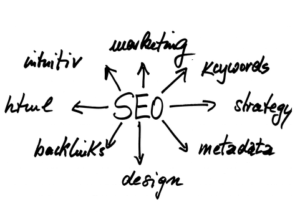 Make a point of including your keyword in the domain name, site title, description, content page titles and blog categories. On WordPress, you can do a lot of changes to suit your need in general settings or using the plugin.
Include internal and external links
This is done automatically by content management systems. Be intentional and directly link most essential pages from your homepage and cross-link them. Display relevant links to other popular and high-quality content on your web.
Use permalinks
Based on your title, word press handles post and page naming which very beneficial. Avoid permalinks that identify pages using numbers as it doesn’t look good and also it is bad for SEO. Use URL structures which include text and include keywords.
Use a simple site structure
It should be easy for visitors to navigate your website in order to find whatever they are searching for quickly. If it’s hard for a human to find your content, imagine how hard it is for search engines. Make sure to link important content directly from the homepage.
Search engine optimization marketing begins with the website implementing basic search engine optimization.it feels great when someone finds you through search engine organic results.
Write long content
Content is very crucial when it comes to Search engine optimization. The longer the length of your content the better as search engines depends on length to rank your post. Strive to write a content ranging from 1900 to 2500 words.
Use optimized images
Images contribute to SEO but many people don’t know how to optimize them. Search engines instead of reading the image name, read the “alt text”. Put your image keyword in alt text always when uploading. Also, make sure you reformat your images into a smaller size to avoid slowing down your site speed.
Boost your site speed
Site speed is essential to every website. According to MunchWeb if it took longer for your site to load, 75% of users will not visit your site again. Check your site speed and also make adjustments to boost your site loading speed.
Frequently update your website
 Sites which have dynamic content, usually rank higher than the ones with static content. The reason why directories and blogs do great on search engines is that they are continuously updated with new content.
Avoid changing your domain name
In site searching, ranking the URL age is a factor, so you need to be patient. The value of your site will improve if you constantly launch new blogs and content now and then.
On page SEO ideally is what you are able to control. By following these tips there will be a huge change in your rankings.