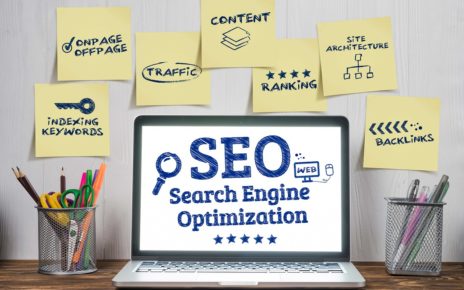
Search engine optimization often emphasizes high-traffic keywords. Many businesses aim to rank for search terms that attract thousands of monthly searches. While this strategy can increase visibility, it does not always produce the most valuable visitors. Low-traffic keywords can sometimes deliver better results. These search terms may attract fewer users, but the visitors they bring are often more interested in the topic or service being offered. This focused interest can lead to stronger engagement and higher conversion potential. Understanding the value of low-traffic keywords helps businesses develop more effective and balanced SEO strategies.
Understanding Search Intent

Search intent describes the reason behind a user’s search query. Some users search broadly when they are gathering information, while others search with a clear purpose or specific need. Low-traffic keywords often reflect precise intent. Instead of searching for a general topic, users include detailed phrases that describe exactly what they want. For example, a person searching with a longer or more detailed phrase may already know what solution they need. This clarity increases the likelihood that they will engage with relevant content. When websites address these specific queries, they attract visitors who are more likely to find the information useful.
Reduced Competition in Search Results
High-traffic keywords usually attract intense competition. Many websites attempt to rank for the same popular phrases, making it difficult to reach the top search positions. Low-traffic keywords typically face less competition. Fewer websites target these search terms, which increases the chance of achieving strong rankings. Better rankings improve visibility among the users who are searching for those specific phrases. Even if the total search volume is smaller, reaching the top results can generate consistent traffic. This advantage allows smaller websites to compete more effectively in search engines.
Higher Relevance for Target Audiences
Low-traffic keywords often align closely with niche audiences. These users may be searching for particular products, services, or answers that match a narrow interest. When content directly addresses these specialized topics, it becomes more relevant to the reader. Visitors feel that the website understands their needs. Relevance helps ensure that users remain engaged with the content. They are more likely to read carefully, explore additional pages, and interact with the site. This focused engagement creates stronger connections between the website and its audience.
Stronger Conversion Potential
Not all website visitors have the same level of readiness to take action. Some people are only exploring ideas, while others are actively looking for solutions. Low-traffic keywords often attract users who are further along in their decision-making process. Their searches may include specific product names, service descriptions, or detailed questions. Because these visitors already have a clear goal, they may be more likely to complete meaningful actions. These actions could include contacting a business, subscribing to a service, or making a purchase. Even though the number of visitors may be smaller, the likelihood of meaningful engagement may increase.
Support Long-Term SEO Growth
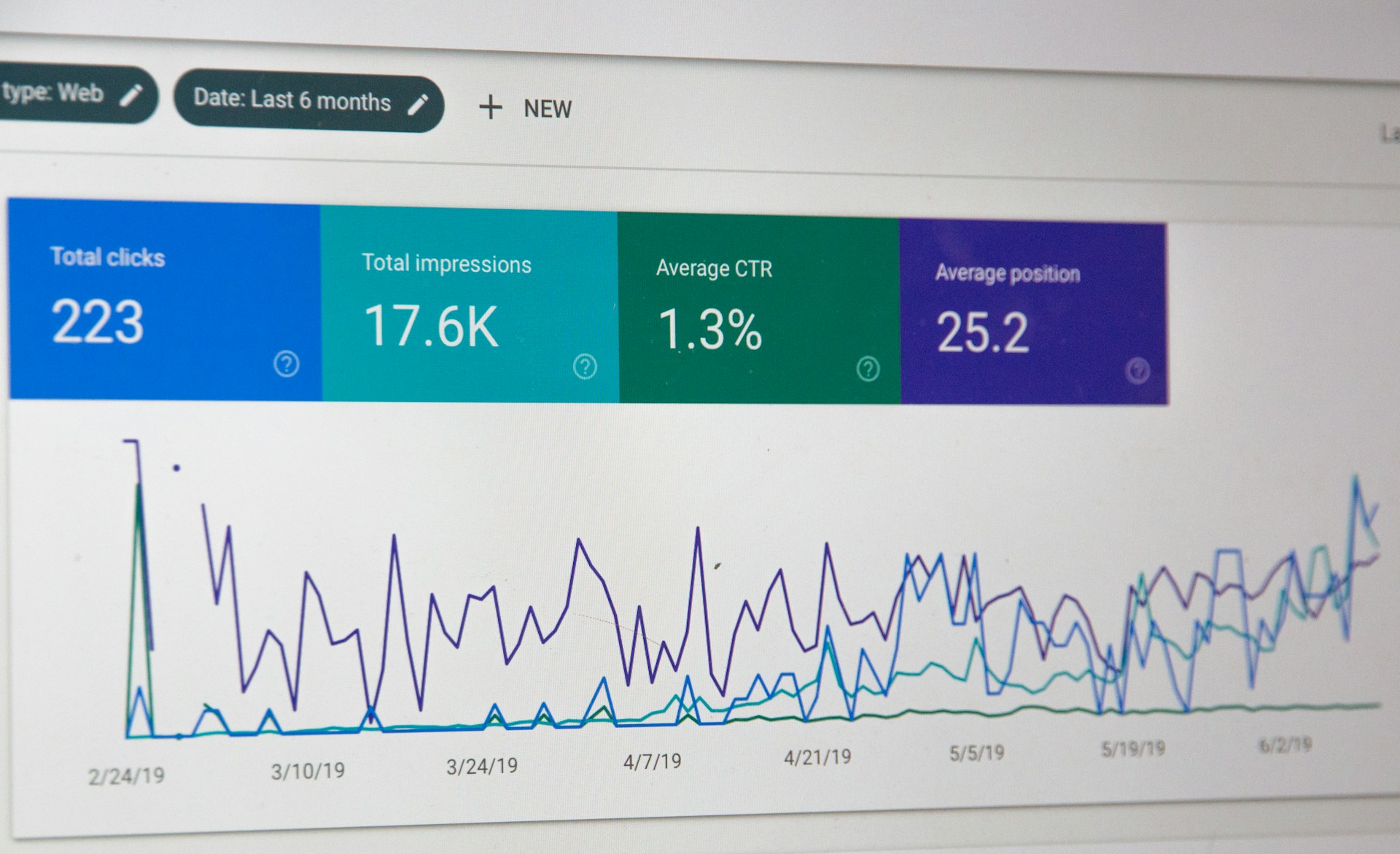
Low-traffic keywords contribute to long-term SEO growth. When websites create content that answers detailed questions, they build authority within their topic areas. Search engines recognize websites that consistently provide helpful information. Over time, this recognition can strengthen the website’s overall visibility. Each piece of focused content becomes part of a broader knowledge base. As the site expands, it may attract a wider range of search queries. This gradual growth supports sustainable traffic development rather than relying only on highly competitive keywords.
Balance High and Low Traffic Keywords
Successful SEO strategies often include a combination of keyword types. High-traffic keywords may generate large volumes of visitors, while low-traffic keywords provide focused engagement. Balancing both approaches helps ensure a website reaches different types of users. Some visitors may be learning about a topic for the first time, while others are seeking specific solutions. By addressing both groups, websites create a more complete content strategy. Low-traffic keywords play an important role within this balance because they connect businesses with audiences who already understand what they want.
Low-traffic keywords may not generate massive visitor numbers, but they often attract highly relevant audiences. These users typically search with clearer intent and stronger interest in the topic. By targeting specific search phrases, websites can achieve better rankings, reduce competition, and connect with readers who value the information provided. Over time, these focused visitors contribute to stronger engagement, improved conversions, and sustainable SEO growth. Businesses that recognize the importance of low-traffic keywords often build more effective and resilient digital strategies.