


Reaching the right audience is no longer about broadcasting a single message to everyone, as generic targeting often wastes resources and yields low engagement. Strategic segmentation allows businesses to tailor content, offers, and messaging to specific groups based on behavior, preferences, and demographics. Exploring Web Design Sunshine Coast – Custom Websites That Drive Growth, agencies discover that combining tailored design with targeted campaigns significantly improves conversions and user experience. Understanding why strategic segmentation outperforms generic targeting highlights how personalized approaches create stronger connections, maximize ROI, and drive meaningful growth in today’s competitive digital landscape.
Relevance as a Performance Driver
Relevance is one of the strongest predictors of marketing performance. Strategic segmentation improves relevance by aligning messages with the specific context of each audience group. When users see content that reflects their needs or stage in the decision process, they are more likely to engage. Generic targeting often results in diluted messaging that resonates poorly with most recipients. Segmentation creates clarity by narrowing focus, allowing messaging to feel timely and intentional rather than generalized.
Stronger Alignment With User Intent

Different users interact with brands for different reasons. Some seek information, others compare options, and some are ready to act. Strategic segmentation recognizes these varying intents and structures campaigns accordingly. Messaging for early-stage users emphasizes education and awareness, while messaging for later-stage users focuses on validation and conversion. Generic targeting cannot effectively accommodate these distinctions. By aligning content with intent, segmentation improves both engagement quality and conversion potential.
Higher Efficiency in Resource Allocation
Marketing resources are finite, and strategic segmentation supports smarter allocation. Instead of investing evenly across a broad audience, businesses can focus their efforts on segments that offer higher value or stronger engagement. Data-driven segmentation reveals which groups convert more frequently, retain longer, or generate greater lifetime value. This insight allows budgets, creative development, and channel focus to be directed where they have the greatest impact. Generic targeting spreads resources thinly, often reducing overall efficiency.
Stronger Personalization Capabilities
Personalization depends on understanding who the audience is and what they care about. Strategic segmentation provides this foundation by organizing users into meaningful categories. Messaging, offers, and experiences can then be tailored to reflect each group’s priorities. This level of personalization is difficult to achieve with generic targeting, which lacks the necessary context. Segmentation supports experiences that feel designed rather than broadcast.
Improved Sales Measurement and Optimization

Segmentation enhances measurement by providing clearer performance signals. When campaigns are structured around defined audience groups, marketers can evaluate results at a granular level. Patterns become easier to identify, and optimization decisions become more precise. Generic targeting blends multiple audience behaviors into a single dataset, making it difficult to determine what is working and why. Strategic segmentation transforms performance data into actionable insight.
Long-Term Brand Relationship Building
Consistently relevant interactions build trust over time. When users feel understood, they are more likely to return and engage again. Strategic segmentation enables brands to nurture relationships through appropriate messaging at each stage of the customer journey. Generic targeting may generate awareness, but it rarely supports deeper loyalty. Segmentation fosters continuity and progression, which strengthens long-term brand equity.
Strategic segmentation outperforms generic targeting by prioritizing relevance, intent alignment, efficiency, and personalization. By organizing audiences into meaningful groups, businesses gain clearer insight and greater control over messaging and resource allocation. Over time, this approach produces stronger engagement, higher conversion quality, and more sustainable marketing performance.…













 Having a plan for how you will promote your music is essential. You need to know what platforms you will use, who your target audience is, and how you will reach them. Without a plan, it’s easy to get overwhelmed or make mistakes that could cost you time and money. These are just some of the most common mistakes music artists make when marketing their music. Awareness of them and avoiding them will help you reach a larger audience, increase your fan base, and ultimately achieve success as an artist.…

 nother mistake that people make is choosing an SEO company without researching their past results. Doing so can be a big mistake as you may end up with a company that is unable to deliver the desired results and provide adequate support. Before making your final decision, ask for case studies or testimonials from satisfied customers, so you can get a better idea of what they’re capable of. Aside from that, look at their strategies and how effective they’ve been in the past. This way, you can ensure that you’re investing in a reliable team of professionals who can take your business to the next level.
 The last mistake that people make when choosing an SEO company is rushing the decision. You should never rush into a decision without first considering all of your options and performing due diligence on each one. Take your time to compare different companies, their packages, pricing, and past results before making any commitments. It is a good way to ensure that you make the right decision and find an agency that will deliver long-term results. There have been situations in which people have regretted not taking the time to compare different companies before selecting one. This is something that you need to avoid.
 You must send
 Every business wants to succeed, right? They want to make money and profit like there’s no tomorrow, but unfortunately, not everyone can because their business isn’t getting the amount of traffic that they need to stay successful. This is where SEO comes in! By hiring an SEO company, you are ensuring that your website will get more targeted views from giant search engines like Google and Bing, which means increased revenue for your business because people are coming directly to your site when they’re looking for what you have in stock for them.
 There is no guarantee that all of the money you invest into those marketing campaigns will be fruitful since everyone and their mothers today are opening up e-commerce businesses. People want to stay at home because of the pandemic and scroll on their phones to buy things because they have nothing better to do during the lockdown, which is why it’s the perfect opportunity for your business to improve your website and make it SEO friendly if you want to attract more visitors!
 If you have been using Google Ads, you will find that it is flexible and can suit different organizations no matter their sizes. Literally, you can turn the traffic from the web on and off. Moreover, you will find it to be compatible with different marketing systems. It is possible to target campaigns to focus on certain types of internet users. In addition, you can determine the budget for your marketing campaigns. Google Ads allows you to set the maximum daily limit you spend on certain keywords.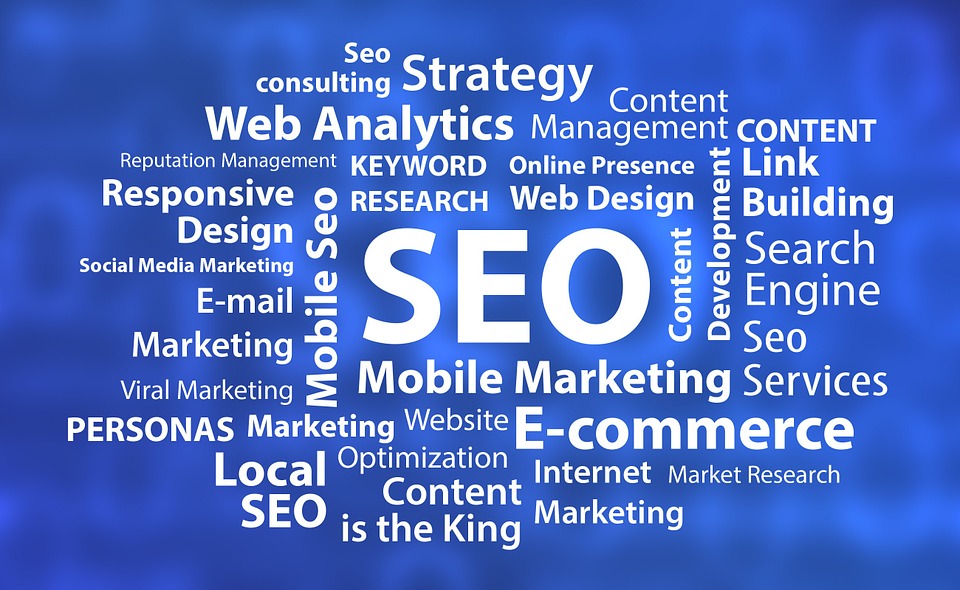
 Nowadays, there are many SEO service providers on the market. However, not all of them are good enough. Thus, there is a need to screen your options well. Start by carrying out extensive research and shortlisting a few names. After this, do a comparative study and finish reading reviews on them.
 Before going out, you should check the company’s portfolio and understand the different services they offer. Also, speak to representatives of the company and tell them what you expect. It is a good idea to get in touch with previous clients to learn from their experiences.